I just learned about The Indigo, Crystal, Rainbow, and Star Children via a friend who did a presentation for an organization she is involved with. Of course then, given synchronicity, this post from Psyche’s Call with Donna May appeared.
I’m not at all saying that I agree with things posted about the children on the website, or what is considered a “psychic” approach to things unseen or mystical. Maybe so, maybe not. It doesn’t matter. That does not take away from what is being described as special children with abilities and purposes beyond the expectations of societal norms.
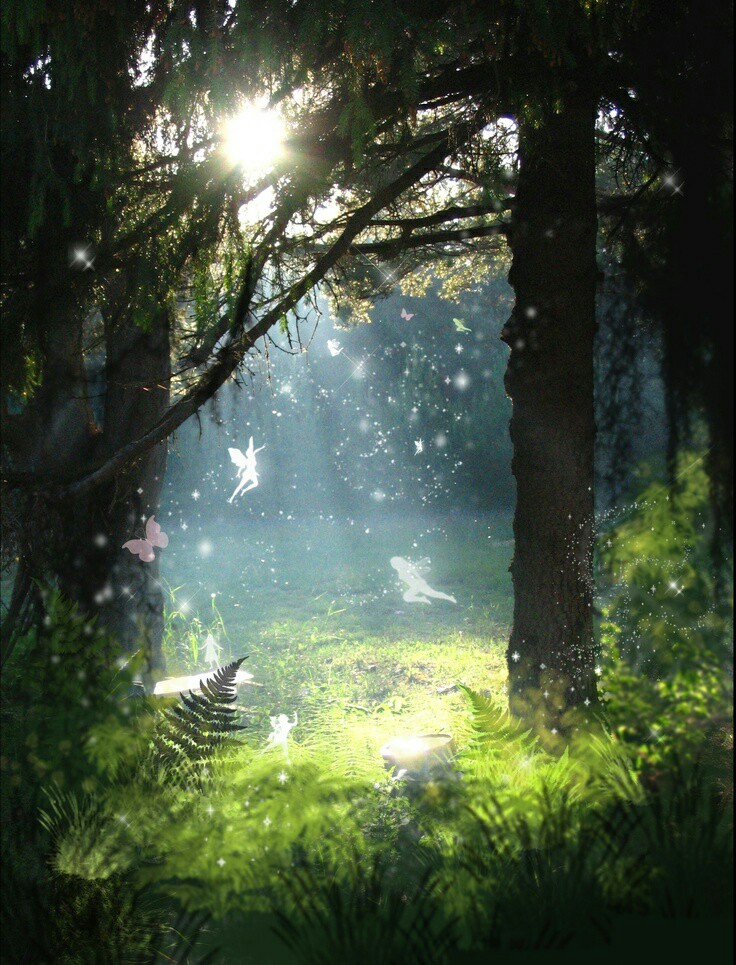
And how wonderful it is to be given Hope in the form of children who will come and have come to bring Grace, Love, and Understanding into the world.
Brain Pickings BY MARIA POPOVA has another fine article about Edward Gorey’s work. He was born on this date (February 22, 1925–April 15, 2000). I’ve just ordered The Gashly Crumb Tinies from Amazon. It’s one of my all-time favorites and I can’t believe I don’t own it. It’s an alphabet book of manic and magical proportions, unbelievably anti-normal.
Pulitzer Prize-Winning Poet Edna St. Vincent Millay (BTD in 1892)
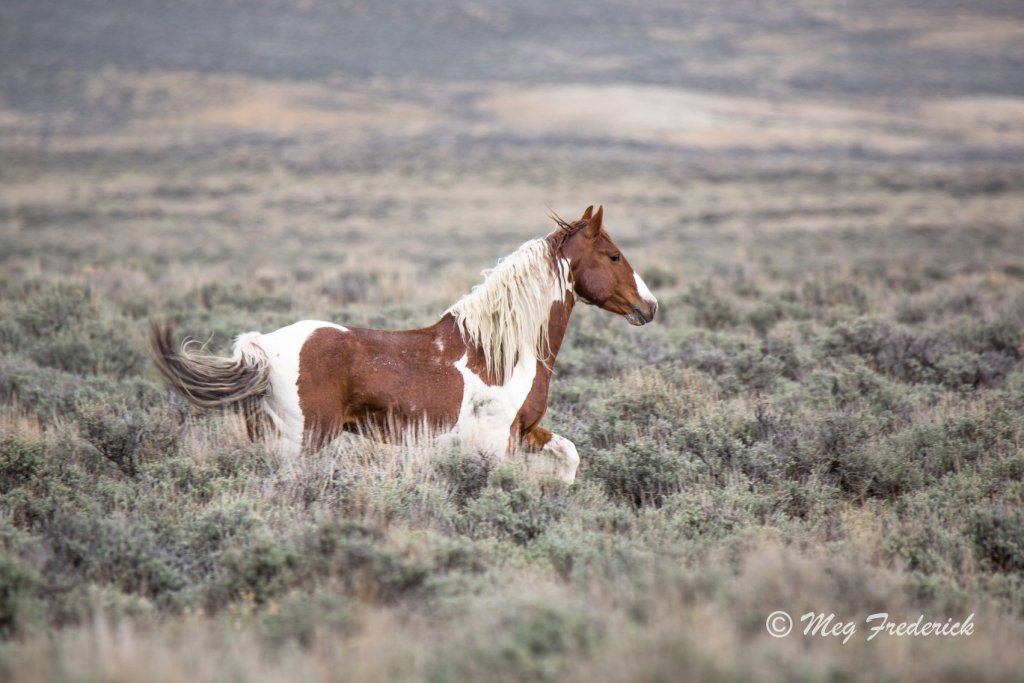
This is from a new site that I am following, even when depressed it seems. From Friends of Picasso—Grand Wild Stallion of Sand Wash Basin. SWB is in Colorado. Meg Frederick Photography is a frequent contributor and displays the best photos. She also has her own separate page.
Meg Frederick Photography· 4 hrs · Tango (above) is a gorgeous and much loved stallion in Sand Wash Basin. He is the son of Picasso and Mingo.
Picasso
Above is our hero himself. A close watch is being held in the hope that he mades it through the treacherous winter, as in the end—like the rest of us—he winters alone.
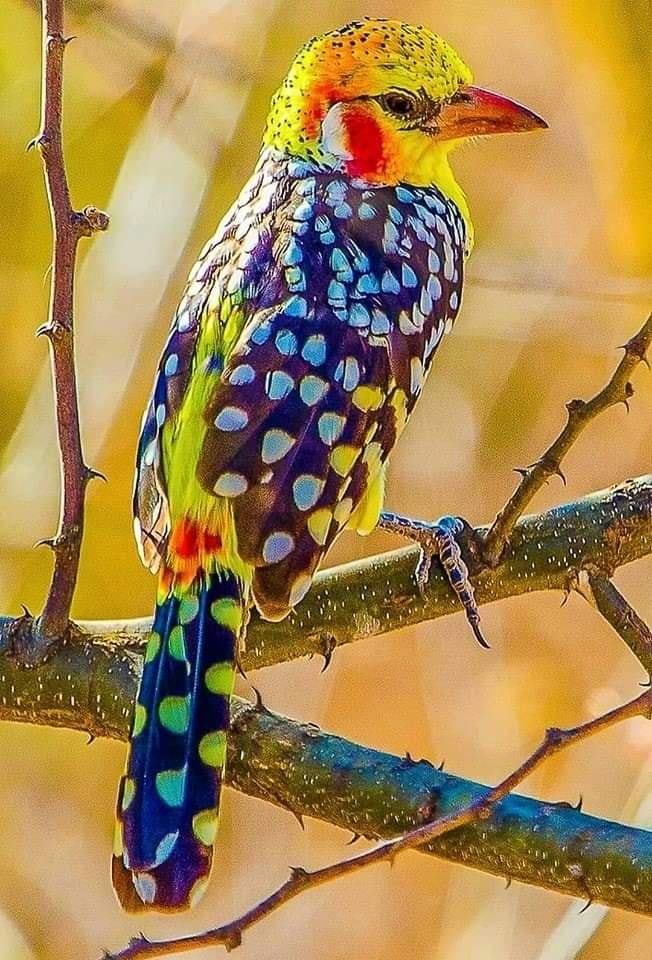
Law Cheung I think it’s a “Red and Yellow Barbet” bird as shown in a stamp I found courtesy of the internet/google.* This indicates the bird is from Africa.
Posted by Nature of Nature
I don’t think that to be odd, or oddly different, means something will be beautiful. Of course not. It is too easy to think of exceptions and unnecessary to list. But, it does seem as if it is easier to be beautiful when rare, or odd in that sense.
The case in point is our Red and Yellow Barbet shown above. The first time it is seen it is almost a shock. I in fact thought at first that it was photoshopped, certainly not real. It takes a minute. Then it becomes amazing. Imagine seeing that gorgeous thing in flight, imagine the white splashed across the blue or black and then the yellow and red. I wonder what the wings look like from underneath, in flight. (In a cursory search I could find nothing shown .)
In absolute contrast, think of the lowly sparrow. More than once I have wondered how differently that little creature might be viewed were it not quite so plentiful. There are many varieties of sparrow—different species—to the point that they are difficult to distinguish from one another. Birders refer to them as LBJs, or little brown jobs. Quite sad, really, as some of these—when taken individually—can be quite beautiful. But that is the point. Perhaps we don’t see them, or notice their individual splendor, just because there are so very many of them. And they are seen everywhere about the midwest, and north and east of us. They are actually described as a dull brown, or mud-colored bird. That lets escape the splotches of red on their heads, those brightly colored with a soft gray, and the symmetry of their deep black on gray or brown. But there are many.
I don’t know how rare or plentiful the barbet is in Africa, but to my eyes it was a singular event and I am struck by the sheer beauty of the unique.
*en.wikipedia.org/wiki/Red-and-yellow_barbet. The red-and-yellow barbet (Trachyphonus erythrocephalus) is a species of African barbet found in eastern Africa. Males have distinctive black (spotted white), red, and yellow plumage; females and juveniles are similar, but less brightly colored.



 Writers Ink—Writing and Stuff