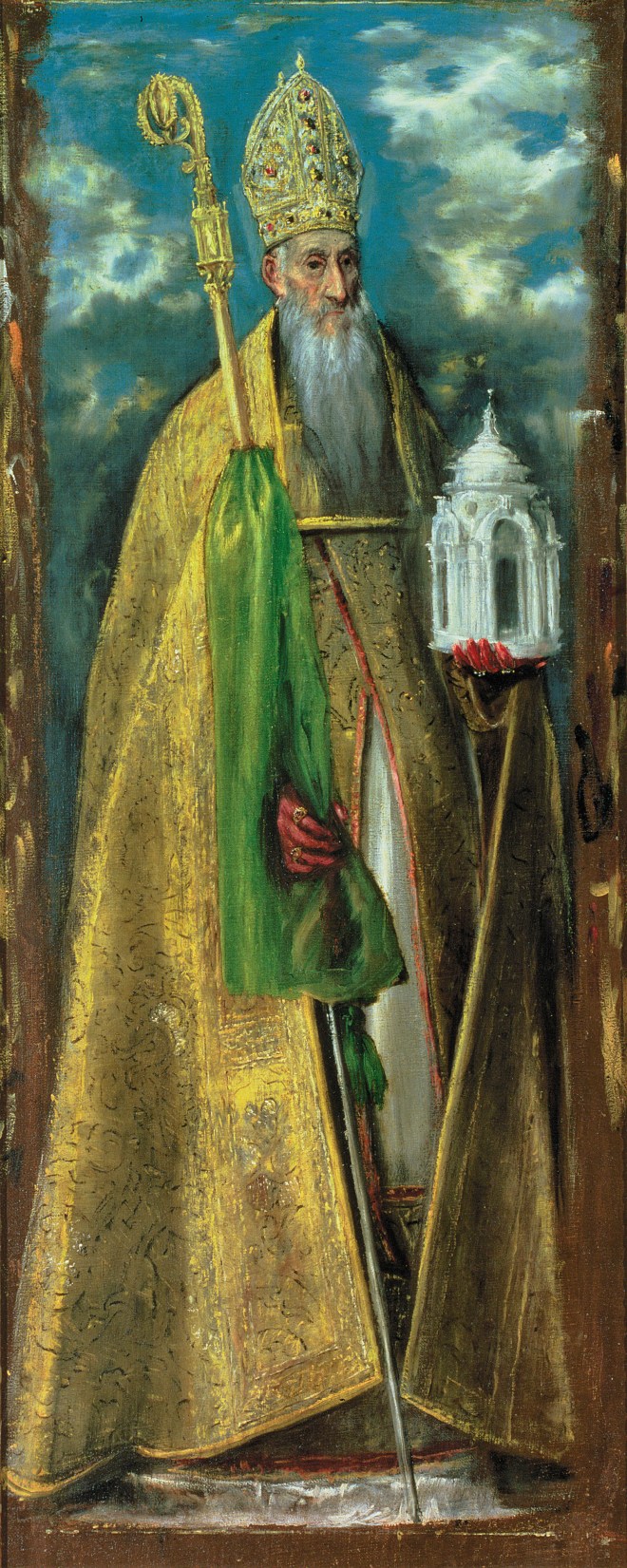
Saint Augustine of Hippo; painting by El Greco, 1590
There’s an article posted in The New York Review of Books about St. Augustine and his Confessions—something like 13 books—probably written in 397 AD. There’s a new translation by Sarah Ruden, so it’s worth the review. Yet more than the information, however, is what else in the telling of it that intrigues me. First of all, I’m amazed that anyone would desire to transcribe all of those great many pages, never mind the actual ability to do so. And in Latin. I could understand the desire to translate in order to uncover something new, but to do something that has been done, certainly not my cuppa. In any case, apparently she’s done a very fine job at it and is a well-respected translator.
Second, I’m intrigued by the character and discipline of Augustine himself. He was fascinated by small things, not the great and/or monstrous. He talks of the little things, the little sins. He uses that method to consider and illustrate the large things. He often considers the great sin of sexual desire but not as such. He alludes to that in the form of the small. Even as he gave up a sexual life, his thoughts at nighttime and in dreams did not.
“[But] what about the frequent times when I’m sitting at home, and a lizard catching flies, or a spider entwining in her net the flies falling into it, engrosses me? Just because these are tiny animals doesn’t mean that the same predation isn’t going on within me, does it?”
He came to abhor the slave trade, and the slave games that were the public entertainment throughout the area. He found it barbarous and turned himself to the eradication of them.
In the end, I wonder if our dear St. Augustine might have been the first to fight against the slave trade. He did so in Hippo, and in the fourth century. A man ahead of his time.
St. Augustine, an activist who talked to God.

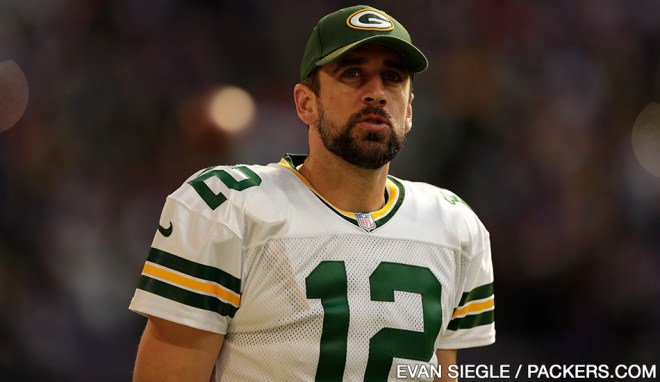 Rodgers left the game during the second series of the game after taking a hit from Vikings linebacker Anthony Barr. It was a hard hit, though considered legal. He fell to his right and braced himself for the fall with his right arm. He was carted off the field and didn’t return. We lost the game, 23 to 10.



 Writers Ink—Writing and Stuff