
Djuna Barnes (1892-1982)
Nightwood, Barnes’ best novel, has the distinction of being the only lesbian-themed Modernist gem to garner praise, and an introduction, from arch-conservative T.S. Eliot. Before writing it, Barnes was born in a log cabin, raped as a teen, and lived as a Bohemian journalist in Greenwich Village. She was ahead of her time in just about every way possible, even pioneering the kind of New Journalism that wouldn’t catch fire until mid-century. A poet, novelist, playwright, and illustrator, Barnes exemplified both the glory and isolation that come with being a perpetual outsider. Hemingway wouldn’t have known what to make of her.

- Posted by Book Riot
This from Book Riot’s piece on “Five Women Writers Tougher Than Hemingway,” which is why the ending sentence is a reference to Hem.
And I went to get my copy of Nightwood so I could snap a photo of said book, the one we are chatting about here. I could not find it. This will—no doubt, no doubt at all—lead to the great Rabbit Hole Adventure of August 16. I’ll look for the book, have to rearrange some bookshelves (technically the books on the bookshelves), then stop to play on the keyboard, then maybe…
And so of the day, to make much of the lovely Djuna. And there is so much more to say about her. But I must go look for the book.
 Abibliophobia – noun:
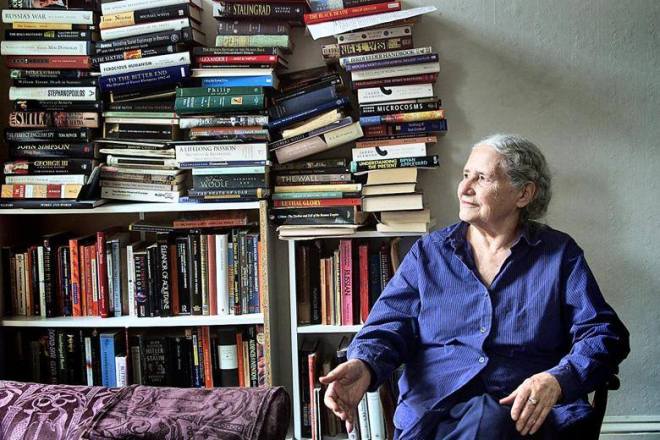

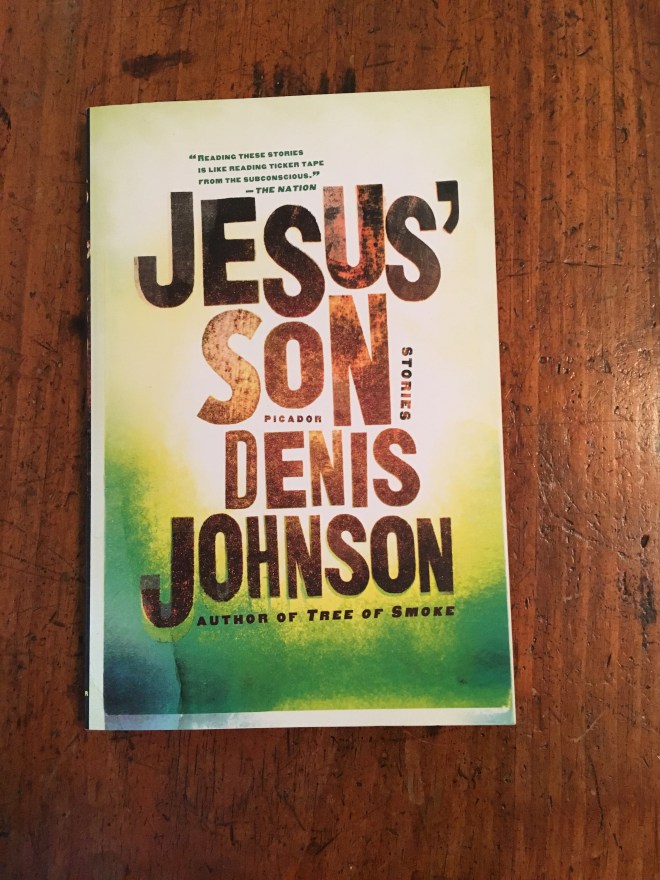
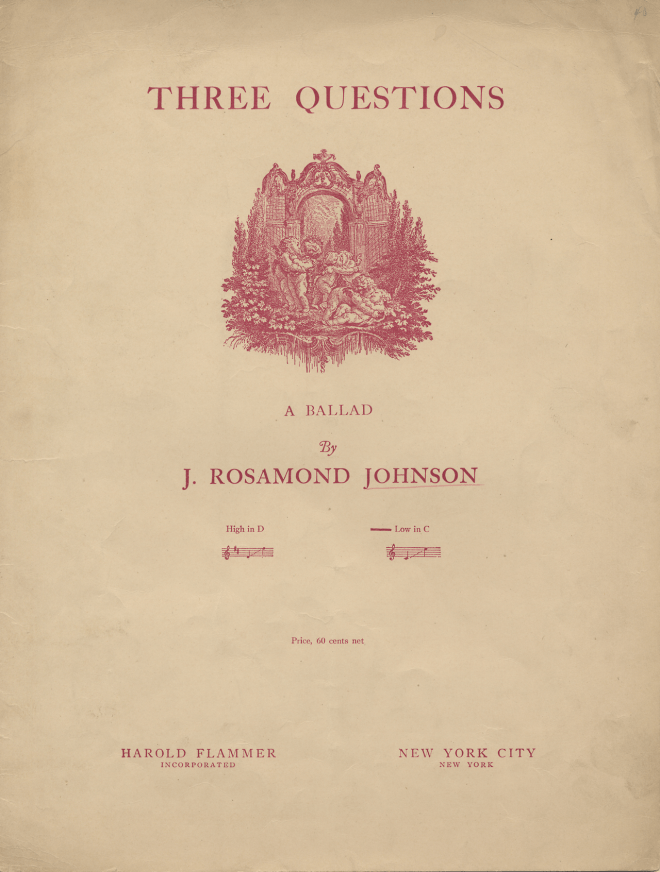 When you are immersed in something, all aspects of it are a part of that whole, the whole of it that you love. In books it’s the scent of new books, the scent of old books, books to be read, books already read, stories of authors, stories of stories, manuscript pieces, marginalia. I have several moleskin notebooks. I have Blackwing pencils and a hand sharpener. I have good pens, used pens, old pens—those that perform well. And a trunk full of my own writing. All of these things, sacred.
 Writers Ink—Writing and Stuff