Posted by Analytical Grammar

Posted by Analytical Grammar
Denis Johnson

Photo by Lit Hub
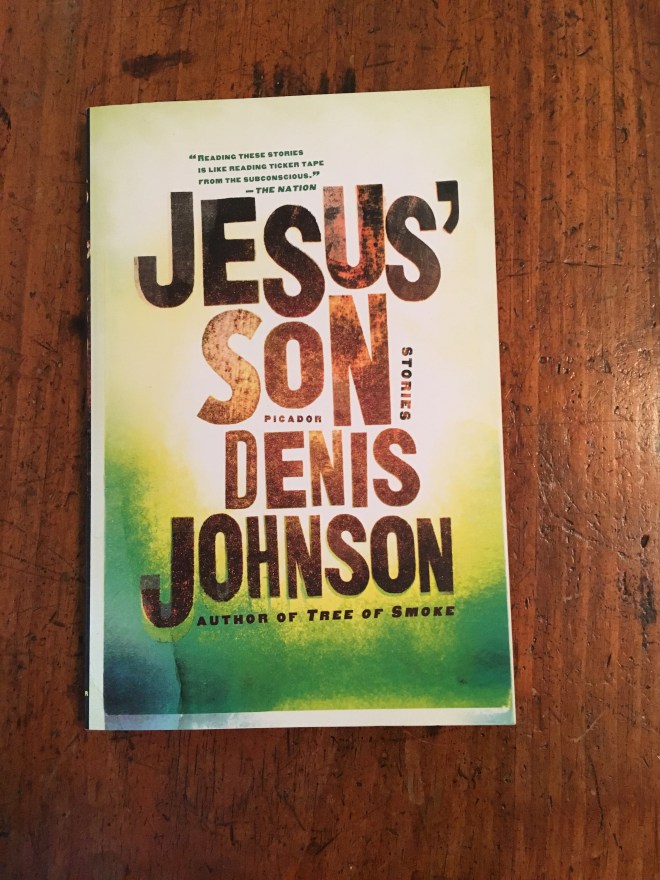
The obituaries for the novelist and poet Denis Johnson, who died in May at age 67, mentioned his National Book Award, his many rave reviews, his almost saintly status as “a writer’s writer’s writer.” Now he is collecting another prestigious accolade. He’ll be awarded a posthumous prize on September 2, as part of the National Book Festival in Washington. It’s the award from the Library of Congress of its annual Prize for American Fiction.
I always wonder. Does it matter to the creator of art when he receives an award after he has left this plane of existence? It might, I suppose, depending upon one’s view of the after life. I personally don’t think so. I think that any belief—or none—would grant a level of something, a something else, that would remove any earthly desires. It’s sort of the equivalent of winning a million dollars without the ability to spend it. Yet it is nice for those left behind. They get to know that their loved one mattered. That it mattered in a way that counted for him. His journey here is noted. I figure that’s good stuff.
Posted by Analytical Grammar
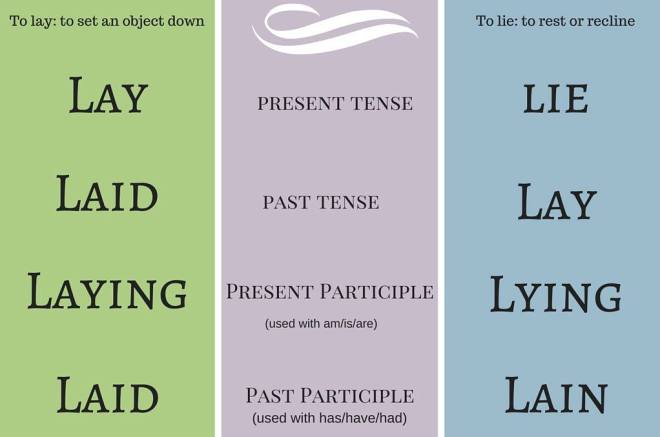
I cannot remember the last time I heard someone use “lain.” It’s probably one of those words that is on the chopping block for the new and revised grammar books. I have some old English language books that are fun to look at sometimes. A photo or two of those old pages might be worth a post or two in future.
 When you are immersed in something, all aspects of it are a part of that whole, the whole of it that you love. In books it’s the scent of new books, the scent of old books, books to be read, books already read, stories of authors, stories of stories, manuscript pieces, marginalia. I have several moleskin notebooks. I have Blackwing pencils and a hand sharpener. I have good pens, used pens, old pens—those that perform well. And a trunk full of my own writing. All of these things, sacred.
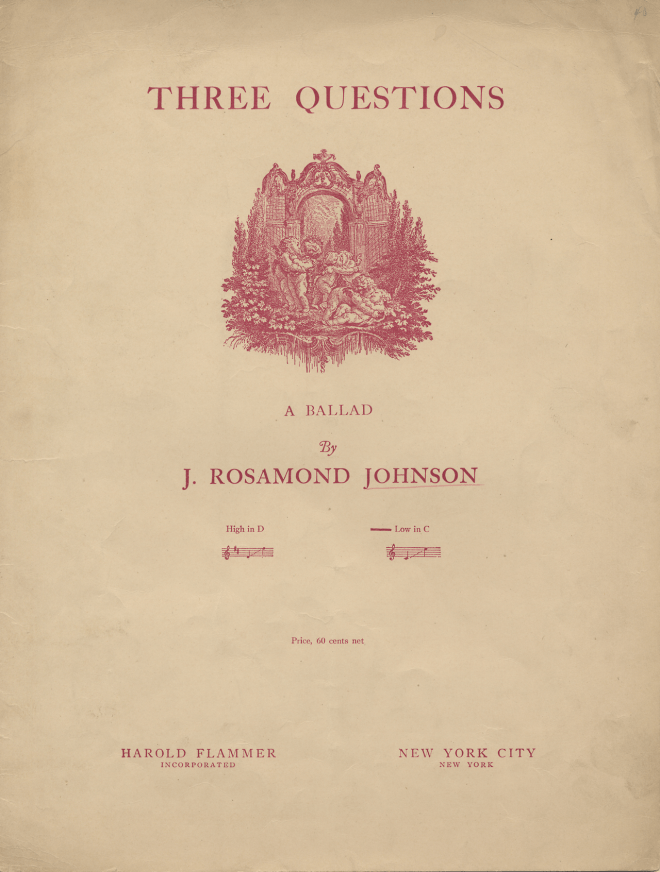
In music it’s the same. Even the photos of music scores. I have my childhood music books and my current books. I have the flute my son used to play. I have an old manual metronome. Books about Glenn Gould. (Of course his records.) And here, above, is something I ran across on the internet, so I had to print it. I wish I had the real thing here, to hold in my hands and place on the piano stand. In the meantime, a photo will do. Isn’t it beautiful?
P.S. 1. There were more words attached; there were more posts and pages; Nothing Worked Right! Maybe later. I could not Save or Publish. But Titles to the posts published.
P.S. 2. I have no idea what the Likes were seeing.

Praying mantises Are killing birds and eating their brains. Unbelievable news. Not new information apparently, just news to me. The photo above, taken by Tom Vaughn via university of Basel, shows the mantis hanging from the humming bird feeder where he has pierced the skull of the humming bird and is sucking out its contents. There are documented cases of them doing this worldwide. Carnivores that they are, they go beyond the occasional bug and garden pest to devour small birds, usually humming birds.
And their methods are horrific. They just hold their prey, and they eat them while they are still alive, slowly—until there is nothing left,
Some scientists are concerned that the very large mantises that are non-native to the U.S. are having an effect on the bird population. These mantises were introduced by people in the hopes they’ll eat insects such as aphids and flies. The downside is that they also consume creatures people want to have around, like butterflies and, yes, sometimes hummingbirds. And plenty of people are still releasing mantises. I expect you can still get the little pouches at garden stores with directions on how they will hatch and how to release them with good health to grow and flourish.
But who knew this would happen? Who knows today? Those babies that hatch are just darling and are complete miniatures of the mature adult. (Yes, I did that once in my total ignorance.) Once again—because we never learn from history—we are interfering with the natural world and disturbing the balance of nature. We don’t seem to ever stop and ask ourselves what the consequences of our actions will be.
 Writers Ink—Writing and Stuff